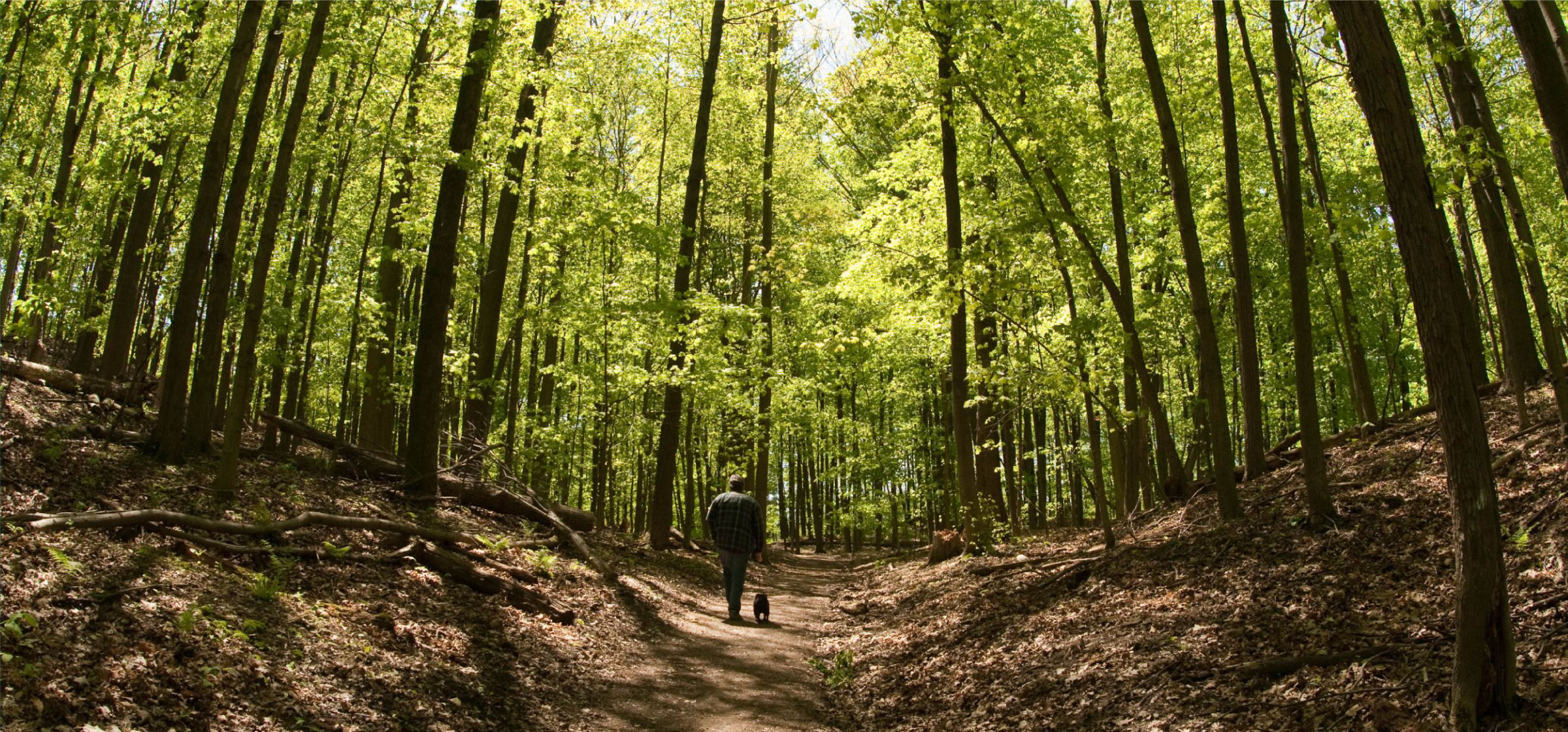
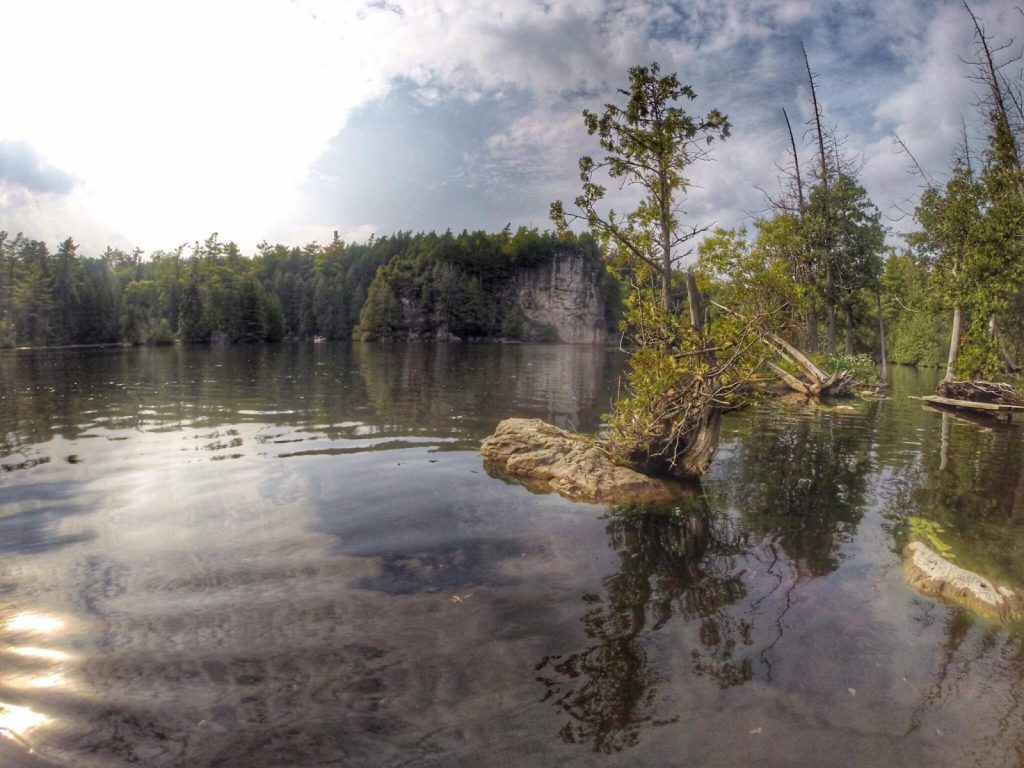
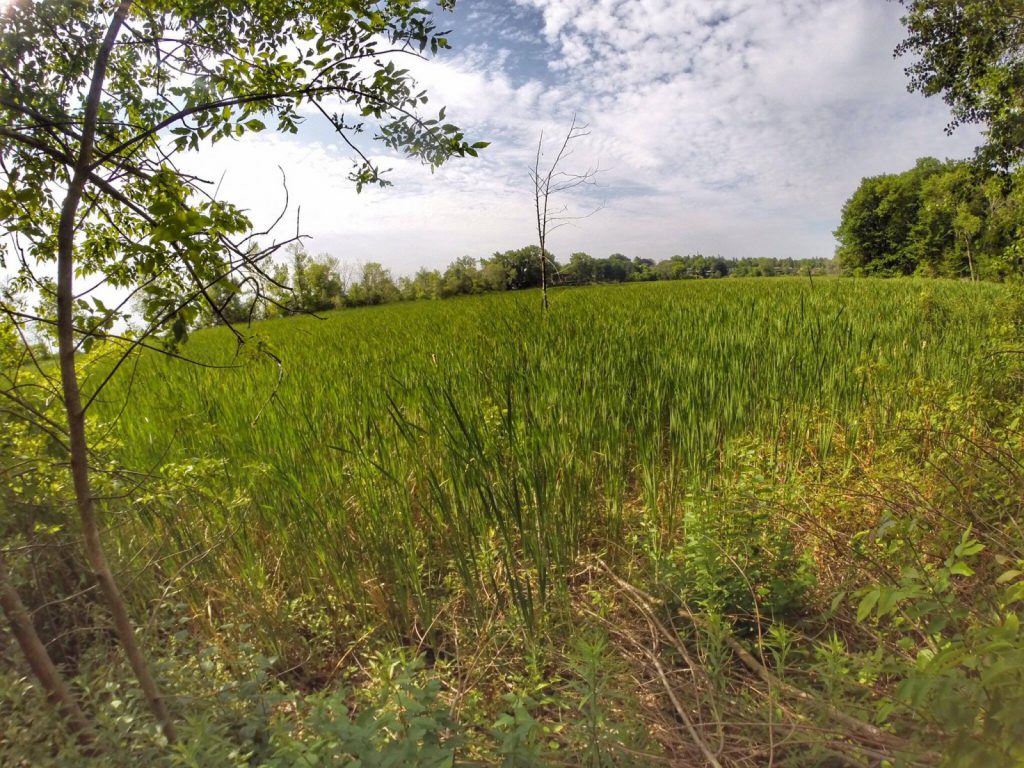
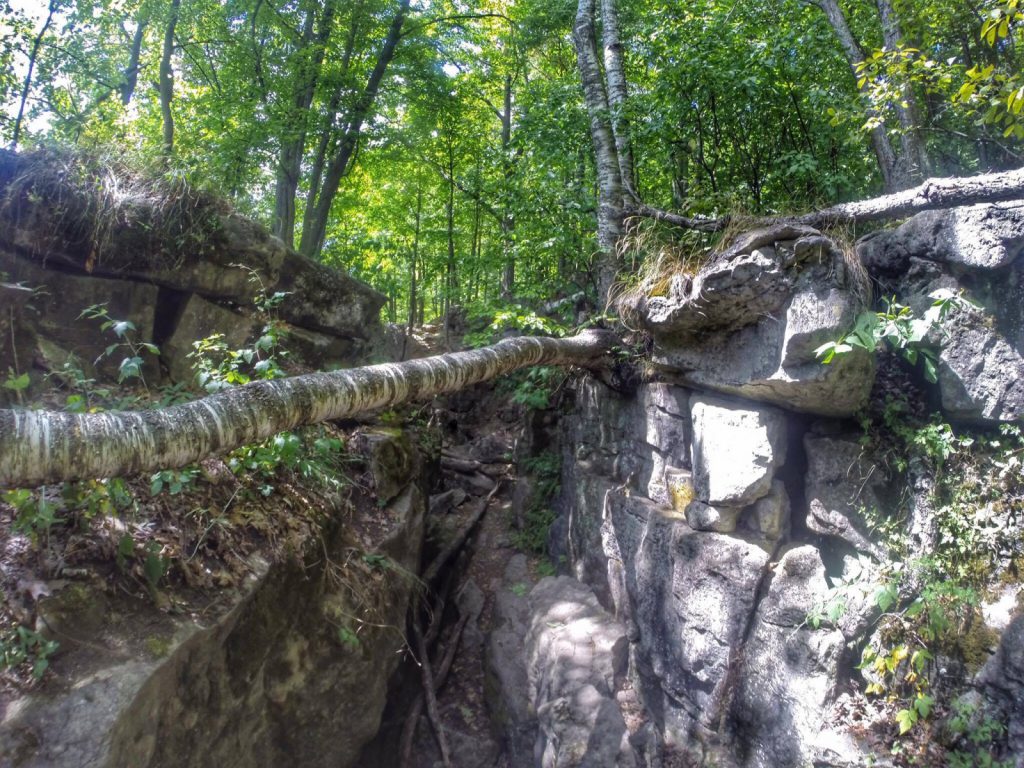
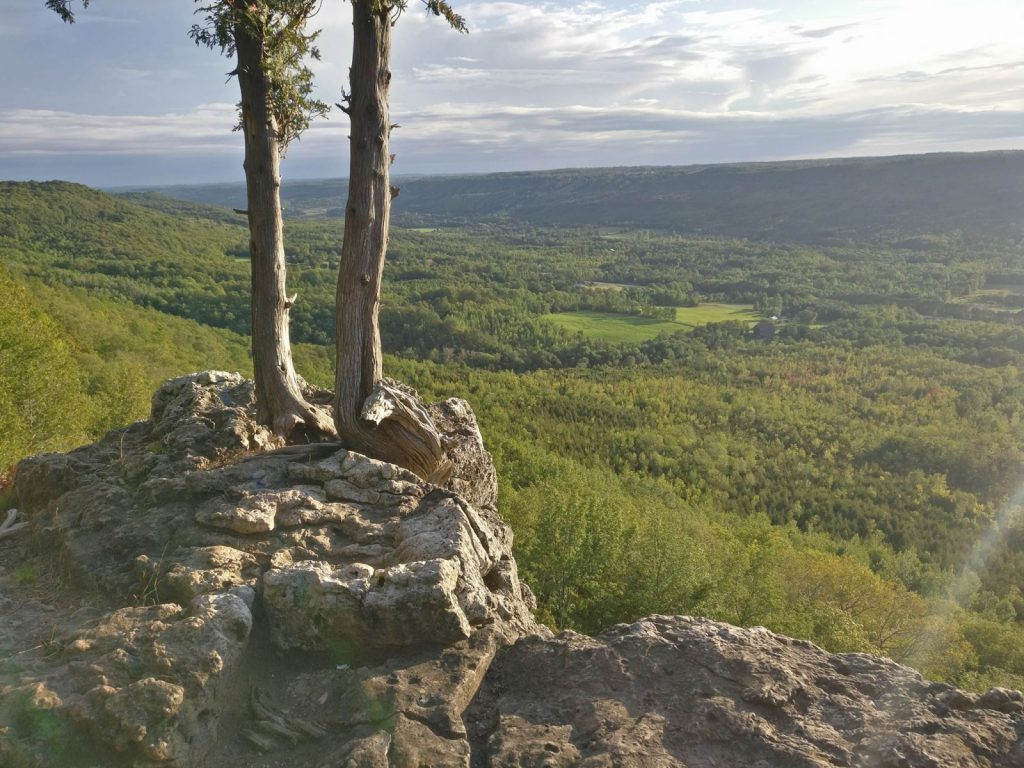
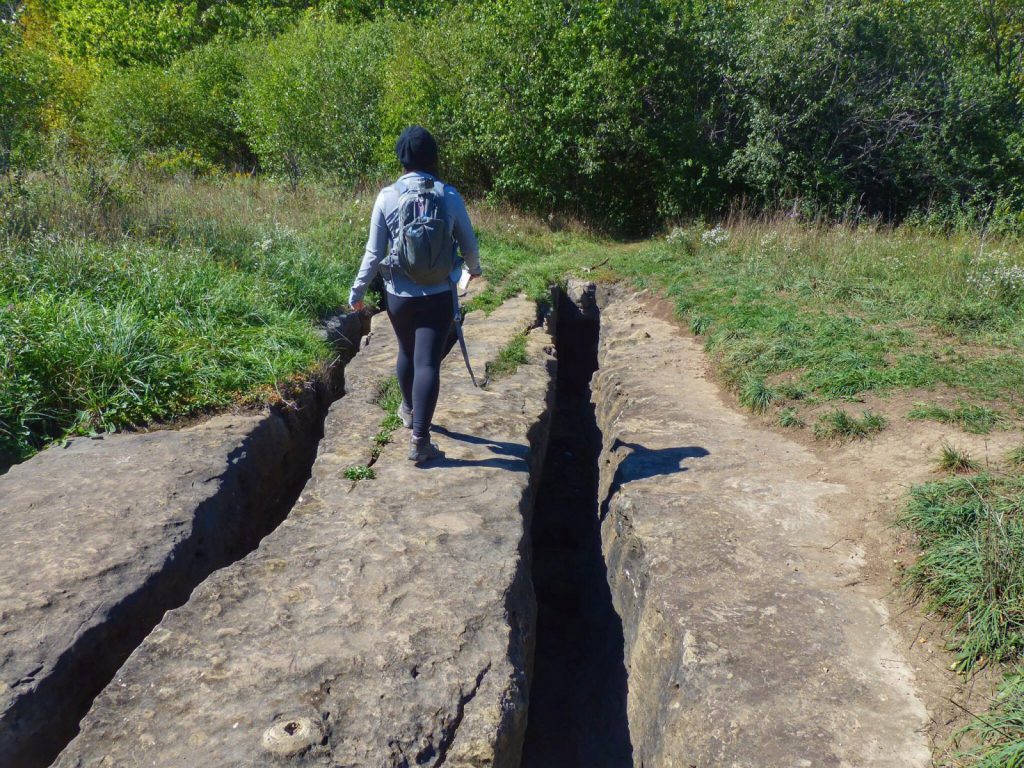
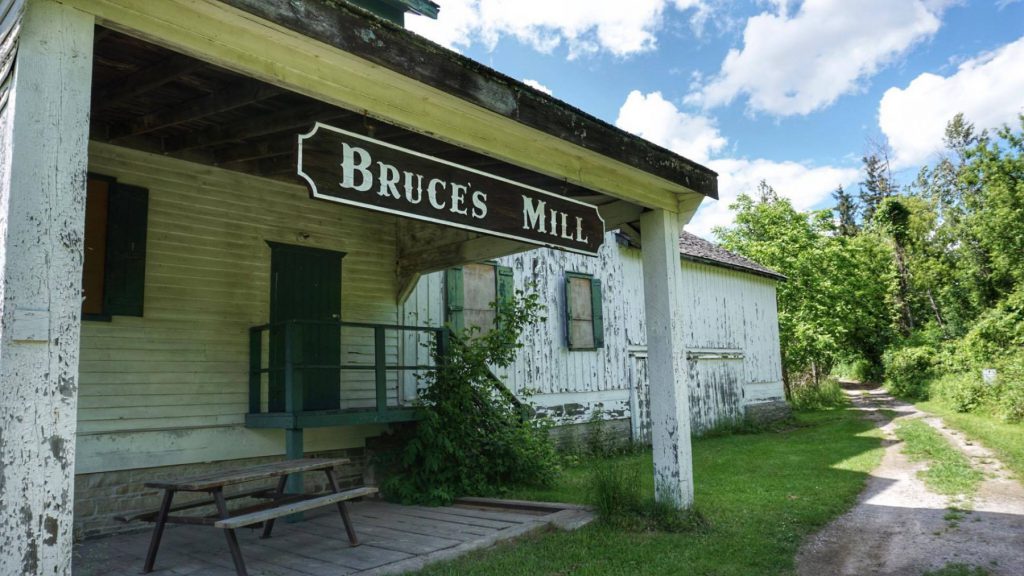
Join the Healthy Hikes challenge and take a hike at a Conservation Area near you!
Every year from May to October, the Step Into Nature Healthy Hikes campaign challenges Ontarians to take a hike at Conservation Areas so they can enjoy the physical and mental health benefits of being in nature.
Recent research shows that exposure to the natural world has tremendous benefits to our health, reducing stress and promoting healing. In 2021, more than 10 Million people visited Conservation Areas across Ontario.
Ontario’s 36 Conservation Authorities collectively own and operate over 500 Conservation Areas and more than 300 of them are accessible to the public. They play an important environmental, educational and recreational role in Ontario, and contribute to the physical and mental well-being of over 10 million visitors annually. Hidden within these natural gems are lakes, rivers and streams, wetlands, sand dunes, beaches, waterfalls, caves, forests, natural heritage sites, and more. Plan your visit and #StepIntoNature #Healthy Hikes!
#stepintonature
Share your hike with us!
Visit a Conservation Area
Snap a selfie or nature image
Share it on social media with hashtags #StepIntoNature and #HealthyHikes
Try These Restorative Activities At Conservation Areas
Hiking
The great thing about hiking is that it can be done alone or in a group of any size and it doesn’t require any serious equipment aside from sturdy shoes or boots. Get moving and go!
Yoga
During the warmer months, join Yoga in the Park classes at participating Conservation Areas. Or, grab your mat, water bottle and sun protection, and get your downward dog on or practice your sun salutation outdoors. Namaste.
Forest Therapy Walks
Forest Therapy or “Shinrin-yoku” means spending time in nature that invites healing interactions. This requires mindfully moving through the landscape in ways that cultivate presence, opening all the senses and actively communicating with the land. These walks are a slow and mindful experience that can combine walking, sitting, standing or laying down. The walks are typically one kilometre or less and range in duration from two to three hours. Forest Therapy is currently being offered by the following Conservation Authorities: Cataraqui Region, Credit Valley, Kawartha, Quinte, and Toronto and Region.
Nature Is Self-Care
Did You Know?
International Self-Care Day is celebrated annually on July 24. In a nutshell, self-care is anything you do to take care of yourself so you can stay physically, mentally, and emotionally well. Its benefits are better physical, mental, and emotional health and well-being.
Take 15 Minutes just for you
According to the Canadian Mental Health Association, Ontario, a self-care task should not be big or complicated – in fact, when energy and resolve is low, it’s important to make it as simple as possible. This is why they’re offering – simple 15 minute ideas to help you feel better.
Take 15 minutes to help with burnout
Take 15 minutes for your mental health
Take 15 minutes for your emotional health
Take 15 minutes for your physical health
Take 15 minutes for your social health
Take 15 minutes for your spiritual health
We challenge you to unplug, disconnect and to recharge by spending time in nature, hiking or doing one of your favourite outdoor activities.
Benefits of Trees
Research has linked tress to the following benefits:
Protecting Biodiversity
Reducing Stress
Reducing Rates of Cardiac Disease, Strokes and Asthma Due to Improved Air Quality
Conservation Ontario is a member of the EcoHealth Ontario collaborative of professionals in the fields of public health, medicine, education, planning, and the environment who are working together to increase the quality and diversity of the urban and rural spaces in which we live.
There is growing evidence and awareness of the benefits that healthy ecosystems provide to the health and well-being of our communities. Yet the challenges we face include:
Intensifying climate change impacts
Increasing prevalence of physical and mental health issues
There is unequal access to the availability of good quality Greenspaces
We continue to see loss and degradation of greenspaces’ natural features and functions
Public policy to address these challenges is limited
The shared vision of EcoHealth Ontario is that everyone benefits from the provision of well-distributed, high quality greenspace, is aware of its contributions to health and well-being, and has access to its benefits.
What is Greenspace?
Public spaces such as parks, conservation areas, greenways, trails, urban and rural forests, street trees, community gardens, school grounds, shorelines and ravines
Private and Institutional spaces such as gardens, rooftops, cemeteries, golf courses and outdoor spaces associated with businesses, hospitals, care homes and universities
Greenspaces provide multiple benefits including economic, environmental, social and public health.
How Healthy Ecosystems Contribute to Health and Well-being
Trees and Forests
Reduce smog and other forms of pollution by filtering out many airborne pollutants linked to heart disease, respiratory illnesses, diabetes, and cancer
Provide shade, reducing health risks from solar radiation
Provide natural air conditioning, reducing health risks from high summer temperatures
Absorb rainfall and snow melt, reducing flooding and recharging aquifers
Provide natural settings for outdoor recreation and physical activities
Provide contact with nature to support mental health and emotional well-being
Create attractive, liveable communities
Did You Know?
Spending at least 120 minutes a week in nature is associated with good health and psychological well-being.
Time in nature can lower blood pressure and stress hormone levels, reduce nervous system arousal, enhance immune system function, increase self-esteem, reduce anxiety, and improve mood.
Time spent in nature and being active outdoors is beneficial to children’s health and overall well-being and helps improve their resiliency, academic performance, and social skills.
How greenspace can boost your health
Healthy Hikes Poll
How many times per week do you visit a Conservation Area?
Make the trip to Orangeville to visit Island Lake Conservation Area! Open year-round, enjoy its seasonal activities like paddling on the water.🚣 Hike all 8 km of the famous Vicki Barron Lakeside Trail! Reserve your visit or get an annual pass for unlimited access.🚶♀️
Download the Step Into Nature app to find your perfect Thanksgiving weekend getaway! Whether you're hiking, biking, or paddling, there are many ways to enjoy the fall season and increase your physical fitness. Use the app to find a conservation area near you! ...https://ontarioconservationareas.ca/step-into-nature-app/?utm_source=facebook&utm_medium=social&utm_content=ap_8l9z5jgpie
Visit @ballsfallsca for their annual Thanksgiving Festival! Filled with artisan vendors, local farmers, live music, and natural sights, it's the perfect spot for the family to enjoy. 🍂🍠🌽 Stop by this weekend to spend Thanksgiving with spirit! ...https://thanksgivingfestival.ca/?utm_source=facebook&utm_medium=social&utm_content=ap_oti58exy7t
Step away from the city and step into nature! 🚣♀️ Visit Chapman Mills Conservation Area for scenic views and paddling on the water. 🚣♀️ With the free cost of admission, there's no better excuse to treat yourself. #wellnesswednesday ...https://www.rvca.ca/conservation-areas/chapman-mills?utm_source=facebook&utm_medium=social&utm_content=ap_ppzaxquoon
DYK the Black-eyed Susan is an iconic native plant? Its striking black and yellow flowerhead makes it a perfect addition to your garden. Get ahead of the spring and plant these seeds to help your local pollinators. 🐝
🌧️ Be on the lookout for urban solutions to urban flooding! Permeable pavement helps absorb heavy rainfall, filter water into the soil and reduce runoff. 🌊 Conservation authorities use solutions like this to build flood-resilient communities and help keep our neighbourhoods safe. ...#FloodFactsFriday
On the National Day for Truth and Reconciliation, Conservation Ontario honours Survivors, their families and communities, and the children who never returned home.
Today, we reflect on our shared responsibility to advance reconciliation, recognize the enduring connections Indigenous ...Peoples have with the lands and waters, and deepen our commitment to caring for the natural environment for generations to come.
May this day be an opportunity to listen, learn, remember, and reflect on the work that remains on the path toward reconciliation.
Step outside and learn where the wild things are! 🦉🌿 Conservation Authorities’ outdoor education programs bring learning to life in conservation areas, where students can explore nature, discover wildlife, and build a deeper connection to the world around them.