Featured
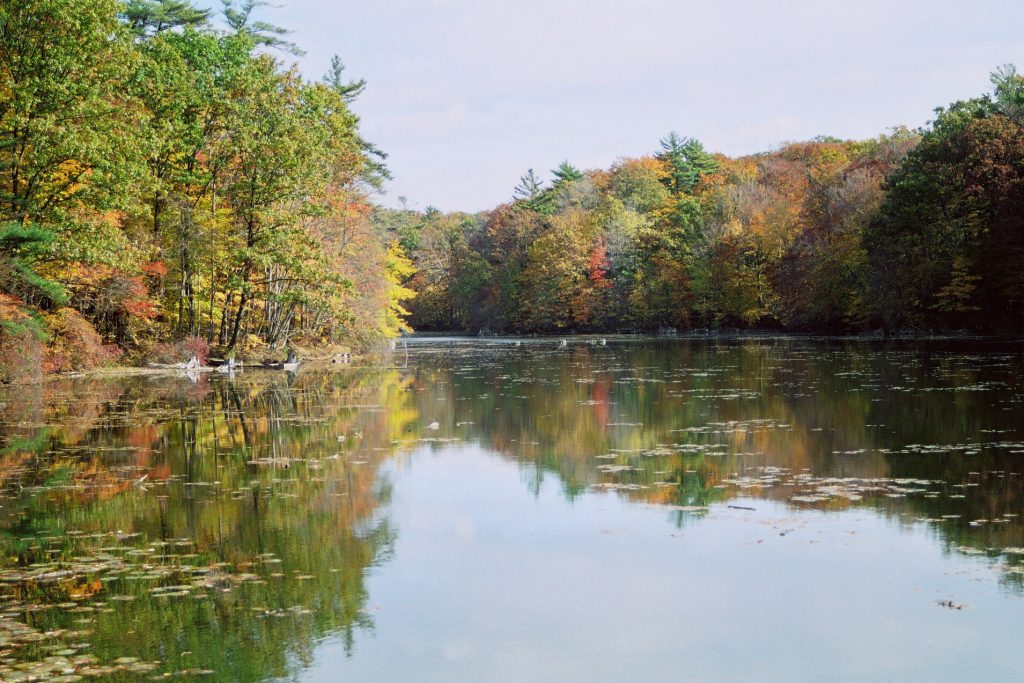
Springwater Conservation Area
The Springwater Forest is the most popular with three main trails to discover covering eight kilometres…

More than 300 Conservation Areas just waiting to be explored. Maps, natural and cultural features, attractions, tips, and more!


Explore over 300 Conservation Areas across Ontario, boasting more than 3,500km of picturesque trails just waiting to be discovered! Now available for download on iOS and Android.

Use our map to locate more than 300 Conservation Areas across Ontario. Plan your trip to any of Ontario’s Conservation Areas based on Location, Activity, Facilities, Accessibility and more.

Join the Healthy Hikes challenge and take a hike at a Conservation Area near you!

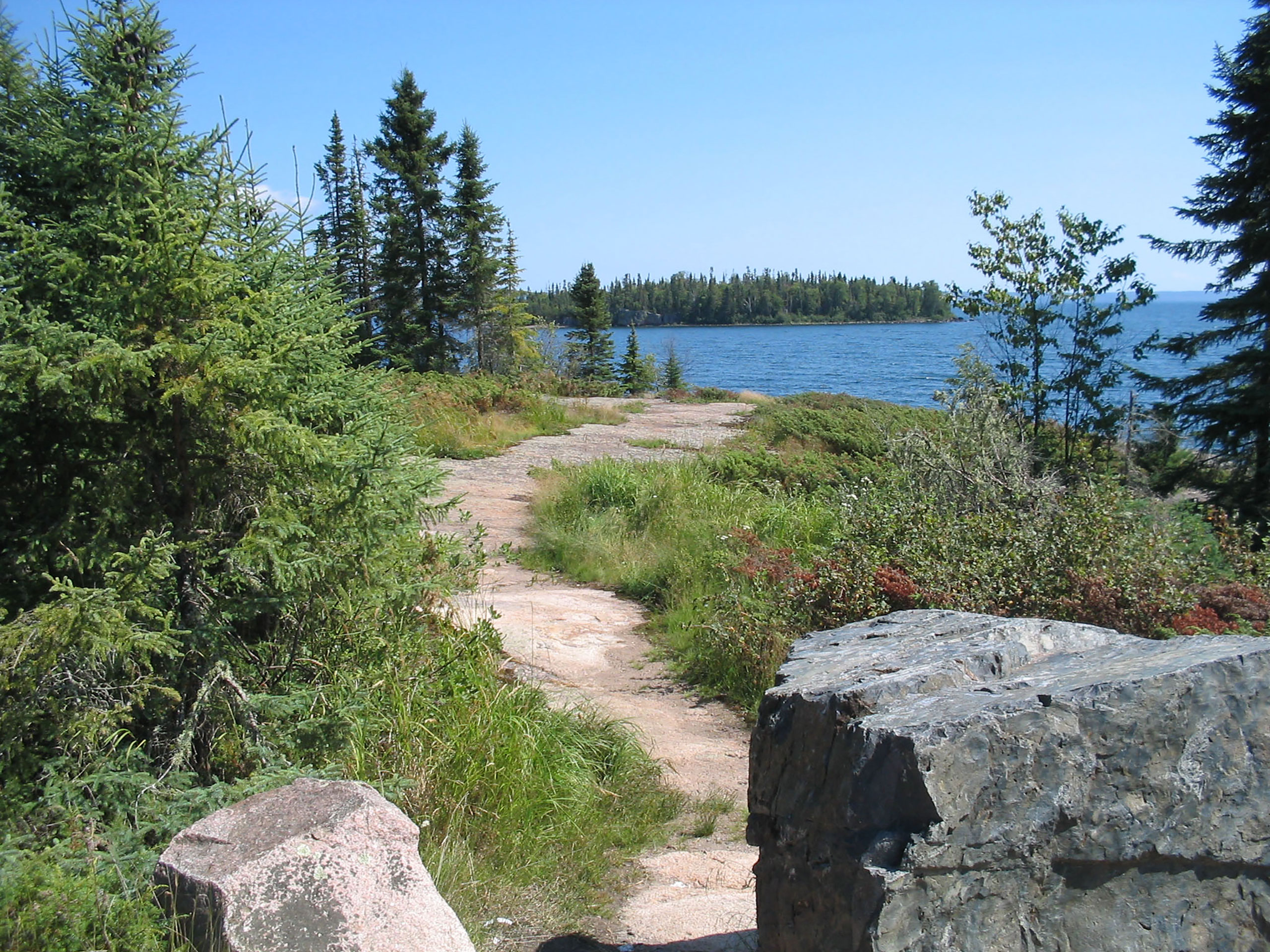
Show us what you’ve been up to! Share your memories with us by uploading photos of hikes, wildlife, vistas, camping trips, selfies, and any other incredible outdoor adventures at Conservation Areas.

The Springwater Forest is the most popular with three main trails to discover covering eight kilometres…
This includes forests, wetlands, areas of natural and scientific interest, recreational lands, natural heritage and cultural sites, as well as, land for flood and erosion control.
There are more than 300 Conservation Areas across Ontario waiting to be explored. Plan your visit and #StepIntoNature #Healthy Hikes!

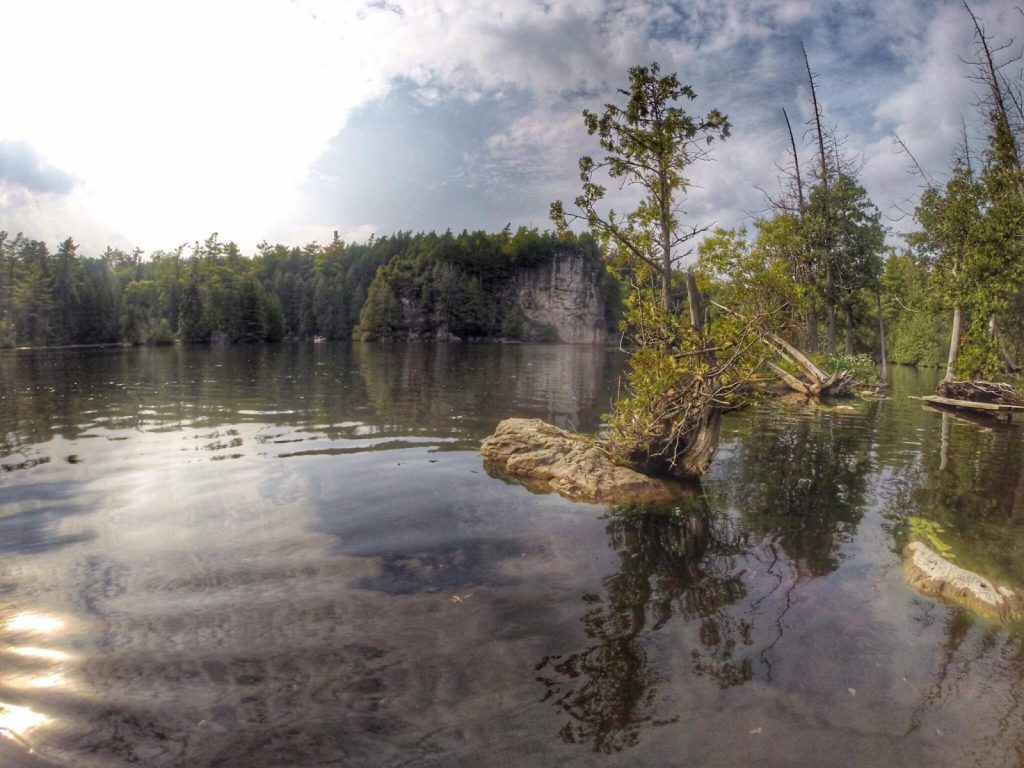
With towering limestone cliffs, caves and glacial potholes, it’s no wonder that Rockwood Conservation Area is…
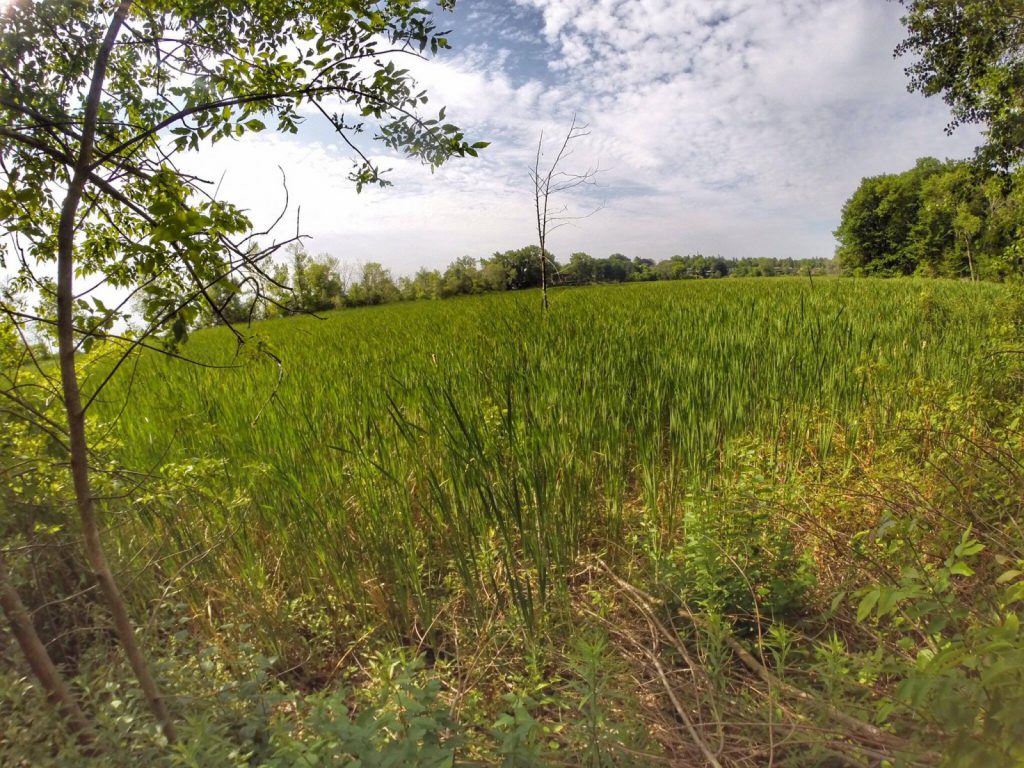
For all you nature lovers who are looking for a quick escape from your busy lives,…
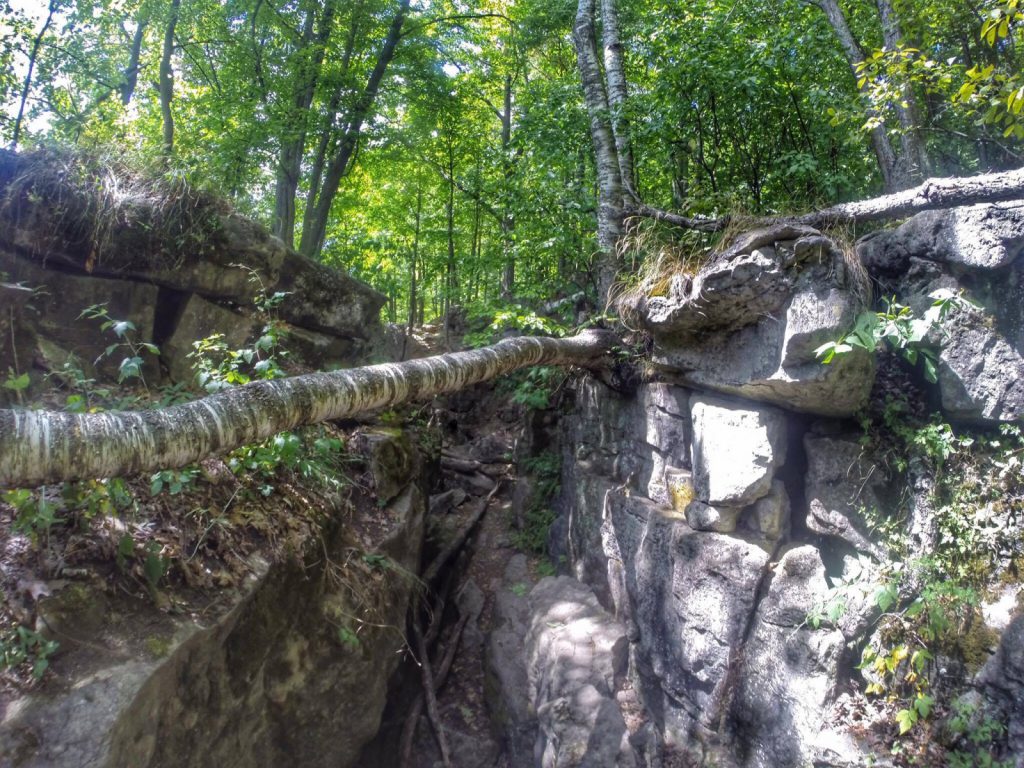
From bold-faced cliffs to beautiful views of the escarpment, Rattlesnake Point Conservation Area offers a fun…
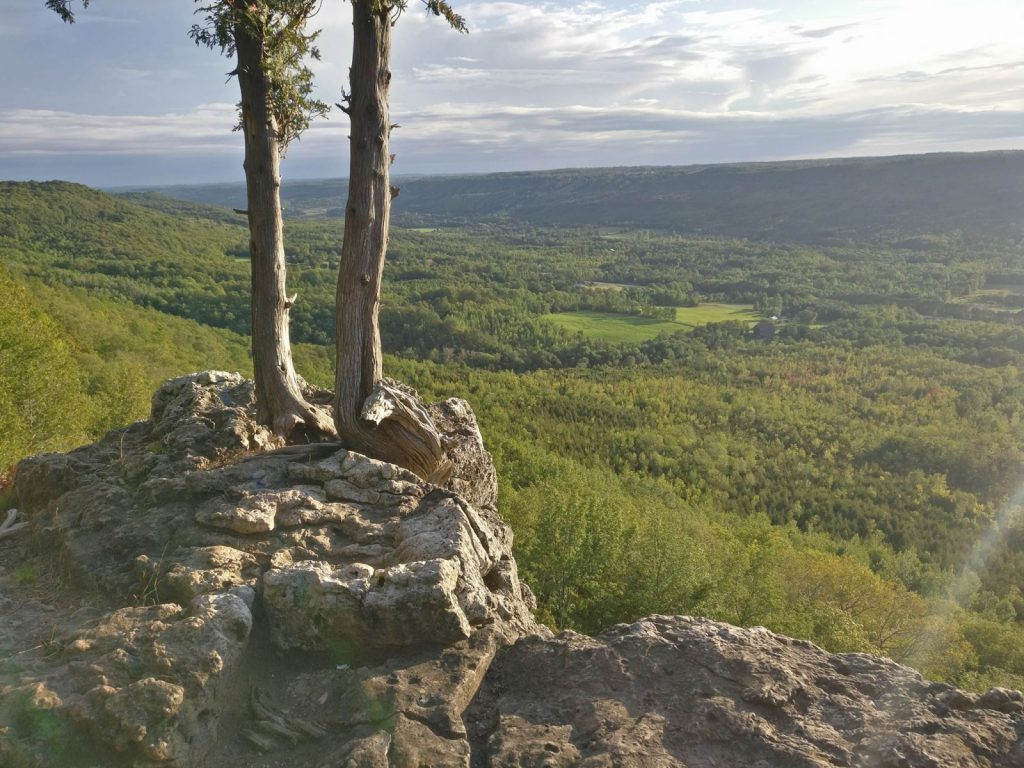
Looking for a different kind of adventure? If you love hiking and rock climbing, Old Baldy…
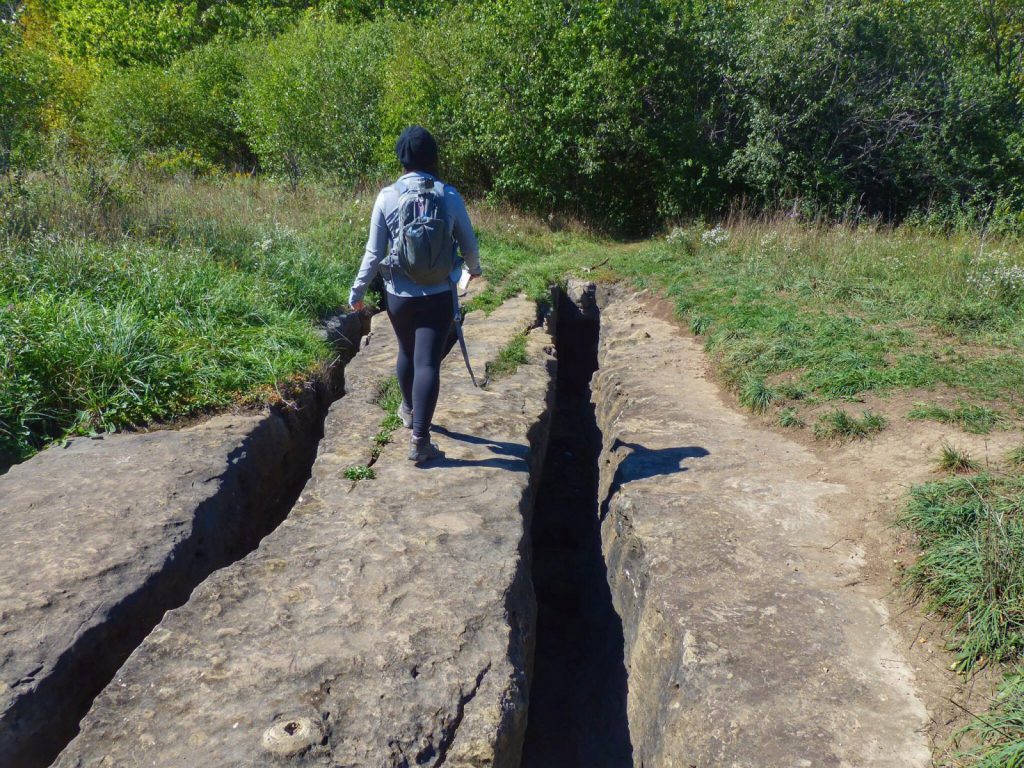
At Eramosa Karst Conservation Area, the park is filled with treasures including forests, meadows and underground streams.
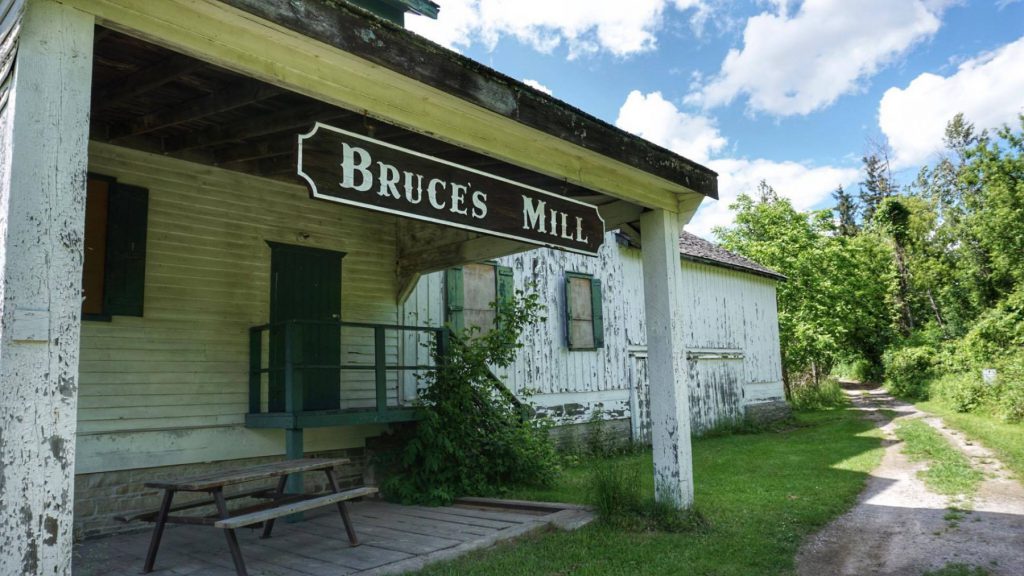
Looking for a fun place for a family outing? Head out to Bruce’s Mill Conservation Area in Stouffville…

DYK? The shoreline you see today may not be the same one you see tomorrow. 🌊
Wind, waves, and changing lake levels can move sand and reshape the shoreline over time. These naturally changing areas, known as dynamic beaches, can create hazards for nearby development.
Your local ...Conservation Authority uses science, watershed data, and technical expertise to understand these hazards and help inform safe planning along Ontario’s shorelines.
Have an upcoming project on or near the shoreline? Talk to your local Conservation Authority before you start to understand the risks, protect your investment, and help keep you and your property safe.
Learn more:
https://bit.ly/4yElaHh?utm_source=facebook&utm_medium=social&utm_content=ap_ldr1jlzthh
#NaturalHazards #PlanningAhead #Shorelines
2026 Latornell Conservation Symposium | Recognizing 80 Years of the Conservation Authorities Act
It's hard to believe the 2026 Latornell Conservation Symposium is over. A big thanks to all the sponsors, exhibitors, event staff, students, and delegates for helping make this year's symposium a success. Over the past 2 days, collaborations were forged, ideas were shared, and memories ...were made to last. We hope everyone will take their newfound knowledge and connections to continue being champions for conservation and natural stewardship! #latornell
DYK? There can be hazards beneath your feet that you can’t see. ⚠️
Some areas have unstable soils or bedrock that can create risks for development, including:
• Karst terrain — areas where soluble bedrock can develop underground voids and sinkholes
• Leda clay — ...a sensitive soil that can suddenly lose strength and become unstable
When it comes to building, location matters. Conservation Authorities use science and local knowledge to help identify areas where these natural hazards may be present and support safe, informed development decisions.
Planning a project? Contact your local Conservation Authority to learn more about potential hazards in your area—before you build.
Plan ahead. Know the hazards. Protect your investment.
#NaturalHazards #PlanAhead
After wonderful closing remarks, #latornell 2026 has concluded! Congratulations to Jordan Li, the Student Poster Competition winner. Thanks to all who participated in the prize draws. We are grateful for the enthusiasm from our delegates who gathered to celebrate conservation!
Earlier today, we welcomed Laura Reinsborough, Riverkeeper and CEO of Ottawa Riverkeeper, on Day 2 of #latornell as our keynote speaker! She shared her successes in stewarding the health of the Ottawa Rivershed, and offered words of inspiration for all champions of conservation.
Time is running out to cast your vote for the winner of the Student Poster Competition! Engage in conversations with students from different universities and learn about their innovative research projects. Scan the QR code in the room to help decide the winner of the cash prize!
There are many sessions to attend on Day 2! Understand the different approaches to communicating science to the public. Learn about the Adapting to Coastal Hazards Across the Great Lakes project. Explore these topics and so much more as you enjoy all #latornell has to offer.
Did You Know?
At a Glance